
Power Transmission Parts — The Complete Reference
How to specify pulleys, sprockets, gears, couplings and locking devices for reliable industrial drives — with the materials, tolerances and inspection you should expect.
Start here
A power transmission drive turns motor torque into useful work at the driven shaft. The components in between — pulleys, sprockets, gears, couplings and locking devices — decide whether the drive runs smoothly for a decade or generates a service call every quarter.
This pillar page covers the eight product families in the Force Machining transmission catalogue: how each is manufactured, what materials perform best, and the buying checklist that separates a well-engineered drive from a warranty return.
Go to product rangeHow it's made
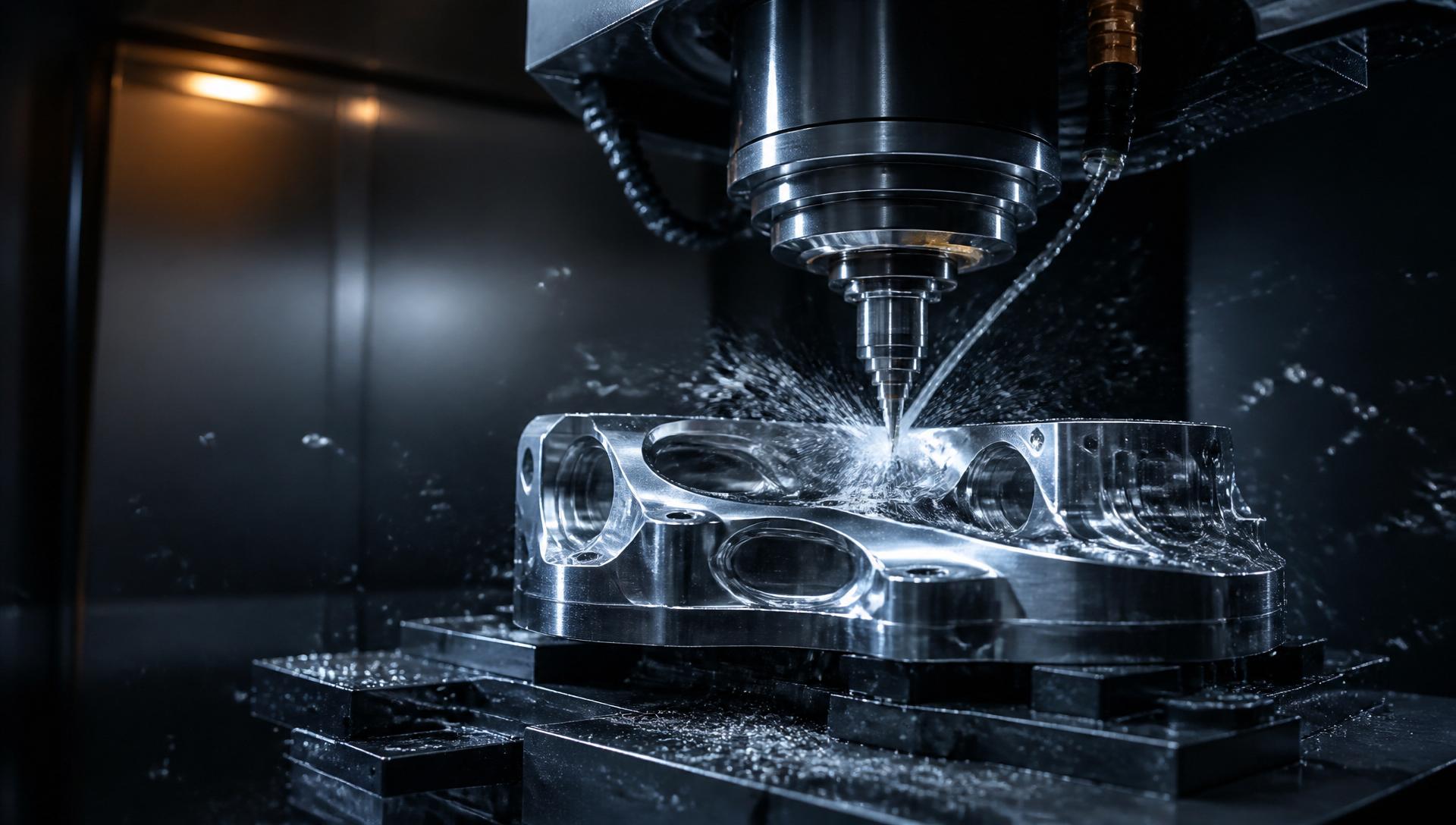
CNC turning & milling
Machined bores, keyways, tooth profiles and grooves within IT6-IT7 on 4- and 5-axis equipment with in-process SPC.
Gear hobbing & shaping
Involute tooth forms for spur, helical and worm gears cut on Gleason and Reishauer machines to DIN 6.
Induction hardening
Local hardening of gear teeth and sprocket profiles to HRC 45-55 for wear resistance without brittle cores.
Dynamic balancing
Rotating parts balanced to ISO 1940 G6.3 — or G2.5 for high-speed spindles and turbine service.
Where it's used
- Motor-to-pump and motor-to-gearbox drives
- Conveyor head and tail drives
- Crusher, mill and mixer drives
- Agricultural harvesters and balers
- Fan and blower systems
- Marine propulsion shafts
- Textile and packaging machinery
- Wind turbine generator drives
Why buyers specify it
Interchangeable with global standards
ANSI, DIN, ISO and JIS profiles held as standard — swap in without redesigning the drive.
Matched sets on request
Pulley + belt + bushing, or gear + shaft + coupling — sized as a system and shipped together.
Hardened where it matters
Induction-hardened tooth flanks and ground running surfaces extend service life 2–3× over raw-machined parts.
Balanced, silent, precise
Every rotating assembly is dynamically balanced before it leaves the plant — quieter drives, longer bearing life.
Codes we build to
- ANSI B29.1 roller chain sprockets
- DIN 8187 / ISO 606 chain profiles
- DIN 3960 / AGMA 2015 gear quality
- ISO 1940 balancing quality grades
- ISO 254 V-belt sheave dimensions
- DIN 6885 keyway standards
Technical envelope
Bore range | 6 mm – 200 mm pilot, finished, taper lock or QD bushing |
|---|---|
Torque capacity | 0.5 Nm – 250,000 Nm across families |
Diameter range | 50 mm – 2,500 mm |
Materials | C45, 40Cr, 42CrMo, GG25/GGG50, 304/316 stainless, aluminium 6061 |
Tolerance class | IT6-IT7 on bores; DIN 6 quality on gear teeth |
Balancing | ISO 1940 G6.3 standard, G2.5 on request |
Specify with confidence
Know the drive duty
Motor power, shaft speed, service factor, ambient temperature and starts-per-hour drive every downstream choice.
Pick the family
V-belt for silence, chain for shock loads, gears for exact ratios, couplings to absorb misalignment, locks for keyless hubs.
Choose material & hardening
Carbon steel for general duty, alloy steel + induction hardening for wear, stainless for washdown, aluminium for high-speed low-inertia.
Specify inspection
Ask for dimensional report, balancing certificate, and hardness/gear-quality report when the drive is critical.
Common questions
The questions our sales engineers hear most often about this product family.
Datasheets & guides
Continue across the Knowledge Center
Talk to an engineer
Share drawings, specifications or a rough concept — a real engineer replies within one business day.
Ready to work with Force Machining?
Send drawings, specs or a rough idea — our engineers get back within one business day.