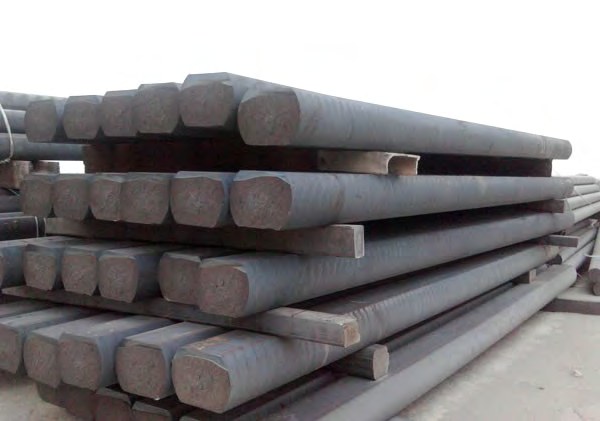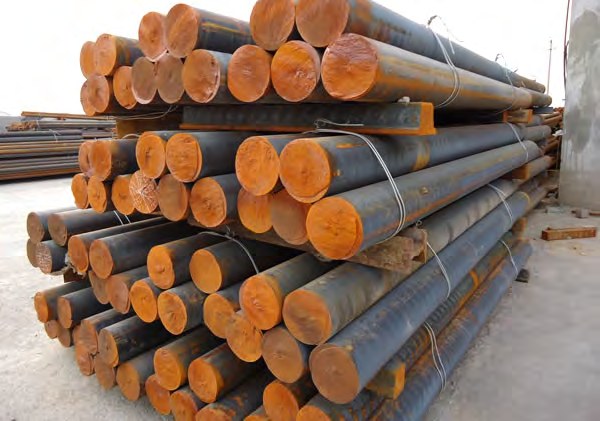
Continuous cast iron bar is a general engineering material: wherever a part is solid or lightly featured, sees moderate to high load, and is produced in quantities too small to justify a pattern, bar stock is usually the cheapest sound route.
The map below groups the parts we see most often, with the grade typically specified for each.
Hydraulics and fluid power
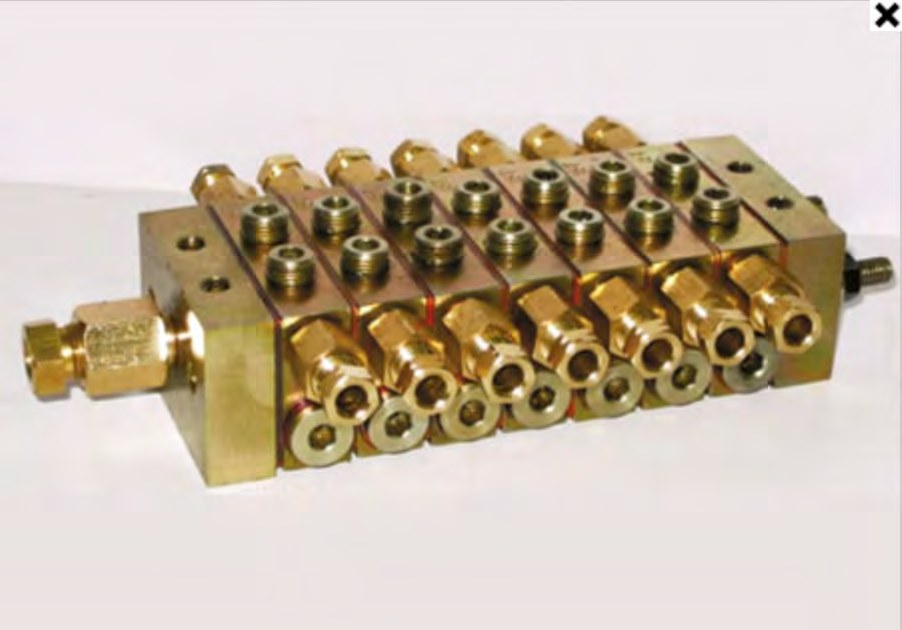
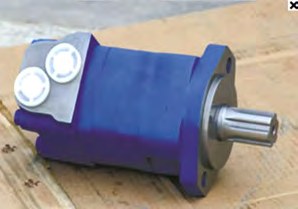
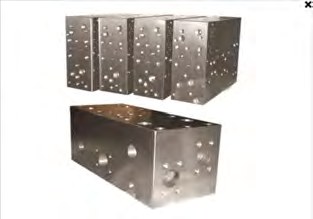
Manifolds, valve bodies, motor and pump housings, cylinder heads and end caps. Pressure tightness without impregnation is the deciding factor. Typical grade: QT500-7, moving to QT600-3 for higher bolt-load or burst margin.
Power transmission
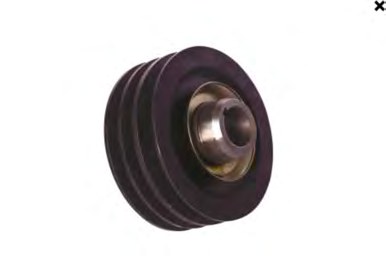
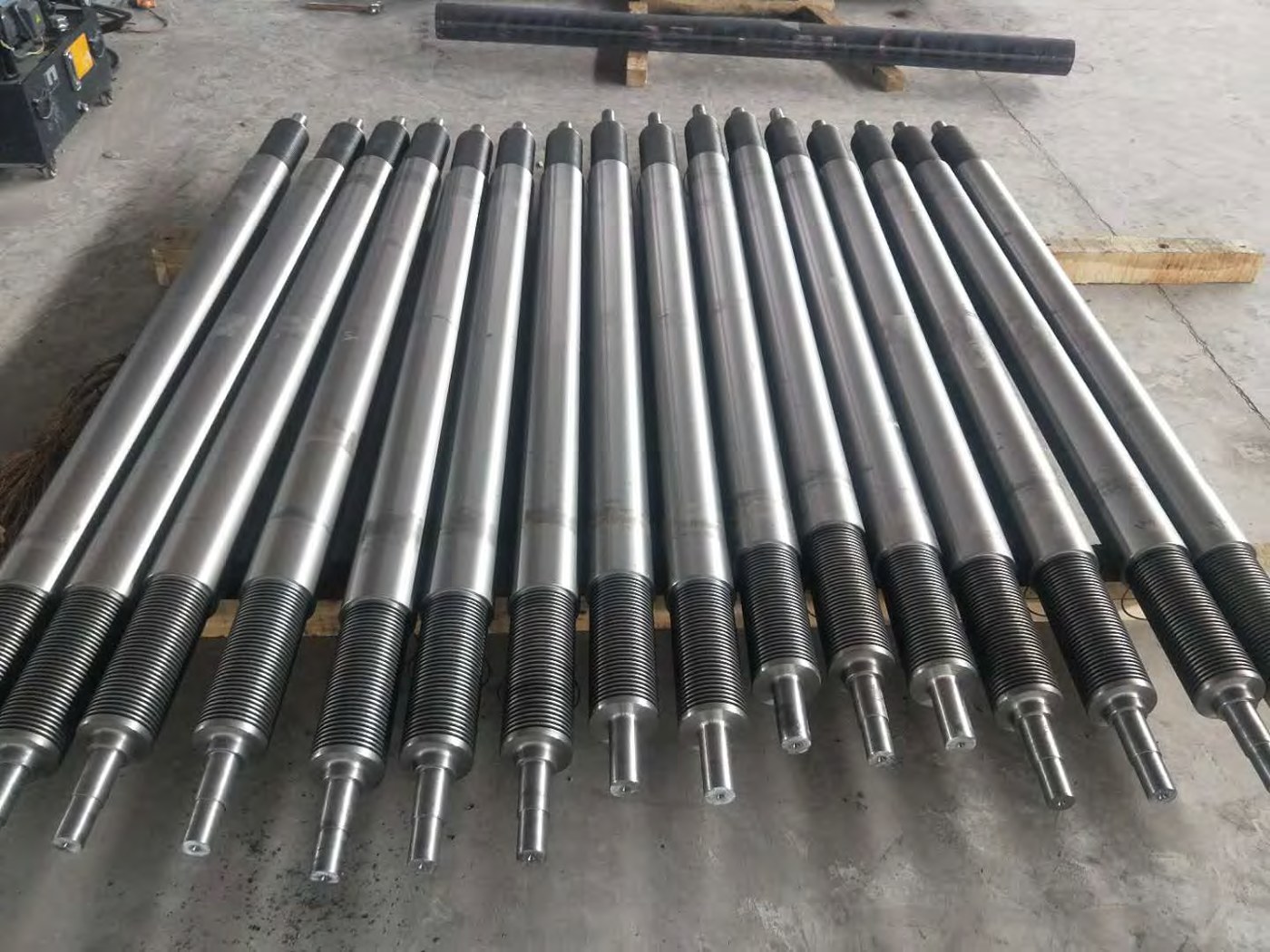
Gear blanks, sprocket and pulley hubs, shafts, eccentrics, worm and screw components. Ductile grades carry the tooth root and torsional stress; QT600-3 is common where surface hardening follows. Force Machining also supplies these as finished transmission components.
Bushings, wear rings and sliding components
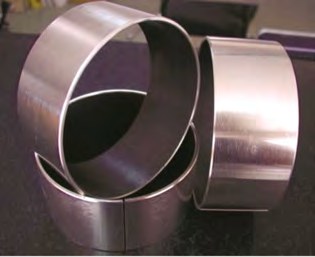
Bushings, bearing sleeves, wear rings, thrust washers and guide blocks. Graphite in the structure acts as a lubricant reservoir, so gray iron HT250 or HT300 is often specified against a hardened steel counterface; ductile grades are used where shock loading is present.
Mould, die and machine-tool components
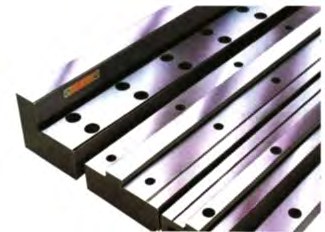
Mould bases, bolster plates, die shoes, machine bases, cross slides, tool blocks and fixture plates. Gray iron is chosen for damping and dimensional stability; low residual stress in continuous cast bar is essential so the plate stays flat after machining. Typical grades: HT250, HT300.

Engines, compressors and pumps
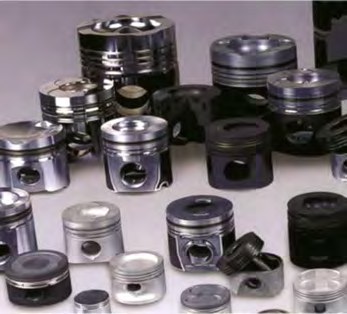
Pistons, cylinder liners, piston rings, valve seats, pump bodies and compressor components. Thermal conductivity, wear resistance and self-lubrication favour gray iron for liners and rings; loaded housings and covers use ductile grades.
Textile, packaging and general machinery
Rollers, cams, levers, brackets, spacers, adjusting blocks and countless machine-specific spares. This is where the no-pattern advantage matters most: an obsolete part can be reverse-engineered from a sample and cut from bar in days rather than weeks.
Grade quick-reference
| Application | Recommended grade | Reason |
|---|---|---|
| Hydraulic manifolds and valve bodies | QT500-7 | Pressure tight, strong, easy to machine |
| High-stress hydraulic bodies | QT600-3 | ≥560 MPa tensile |
| Gears, sprockets, shafts | QT500-7 / QT600-3 | Fatigue strength and surface hardenability |
| Impact-loaded brackets and levers | QT450-10 / QT400-18 | High elongation and toughness |
| Bushings, wear rings, slideways | HT250 / HT300 | Self-lubricating graphite, wear resistance |
| Mould bases and machine bases | HT250 / HT300 | Damping and dimensional stability |
| Cylinder liners and piston rings | HT300 | Thermal conductivity and wear |
Typical grade by application
- Hydraulic manifolds and valve bodies are the largest application, driven by pressure tightness without impregnation.
- Ductile grades handle tensile, fatigue and impact duty; gray grades handle damping, sliding wear and thermal duty.
- Rectangular sections to 360×470 mm and rounds to Φ600 mm cover most mould base and shaft work.
- The absence of pattern cost makes bar the fastest route for obsolete and replacement parts.
- Force Machining can supply bar stock or the finished machined component to drawing.